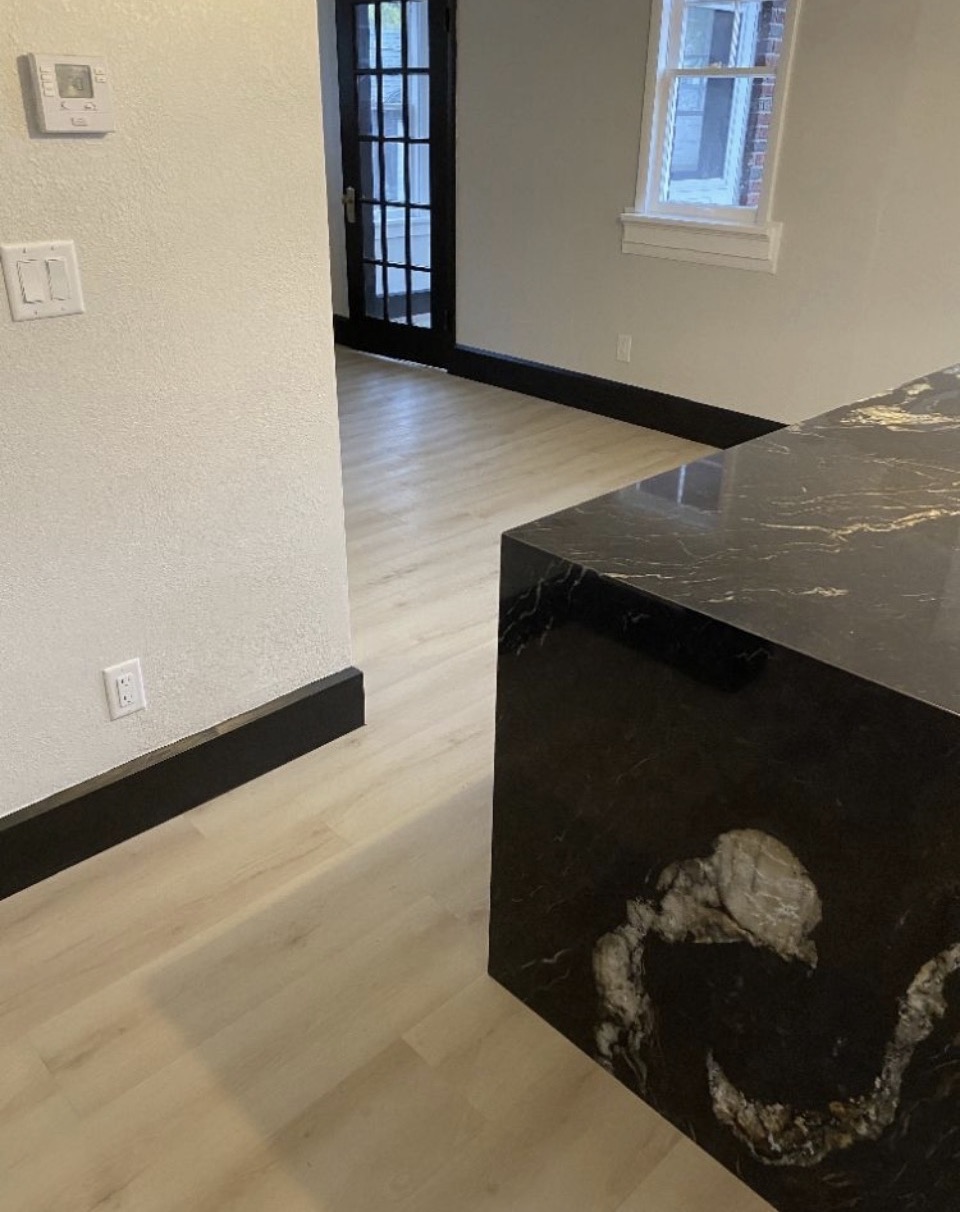
Effective post construction cleaning requires a systematic approach that includes removing large debris, vacuuming fine dust from all surfaces, and scrubbing floors. This process also involves cleaning fixtures, wiping down walls, and polishing windows to ensure the space is safe and move-in ready. By following these essential phases, you can eliminate hidden construction particles and restore the property to its final, polished state.
You finally reached the end of your renovation, yet the beautiful new space feels more like a construction zone than a home. Fine silica dust has settled into every crevice, from the inside of your kitchen drawers to the depths of your HVAC vents. This is not simply a cosmetic issue; it is a matter of indoor air quality and long-term surface preservation. Effective post-construction cleaning requires more than a standard vacuum and a mop. It demands a specialized, three-phase strategy. In this guide, we will break down the critical stages of a professional-grade scrub, from heavy debris removal to the final detail polish. You will also find a comprehensive room-by-room checklist and expert advice on when it is time to hire a professional Cedar Rapids cleaning crew to handle the heavy lifting.
Beyond the Broom: Why Post Construction Cleaning is Different
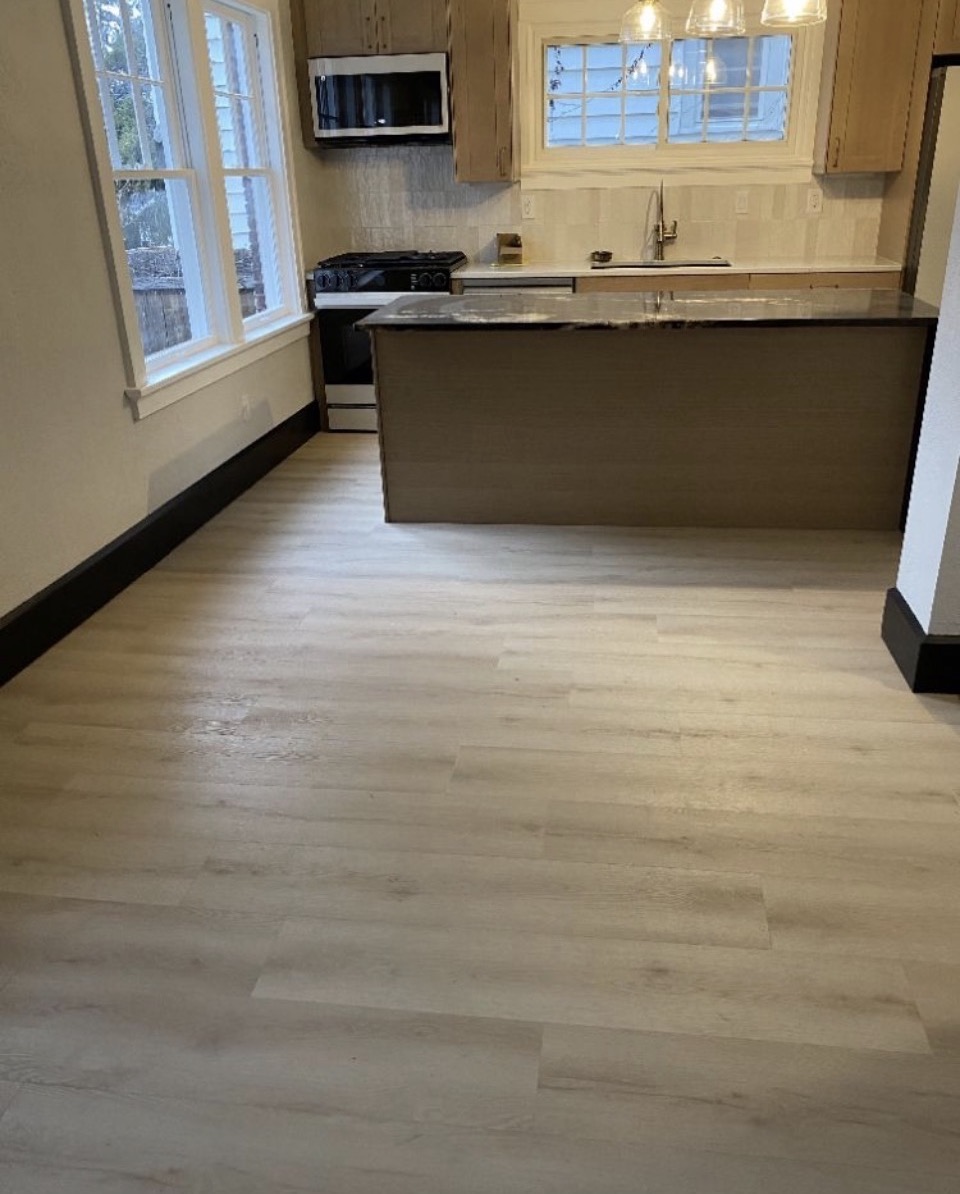
Many homeowners assume that once the contractors pack up their tools, a standard mop and bucket session will return the home to order. This is a common misconception. Post construction cleaning is a distinct category of professional service because the debris left behind is fundamentally different from the dirt found during a weekly spruce up.
In a typical occupied home, you are cleaning living dust, which is composed mostly of organic matter like skin cells, pet dander, and fabric fibers. Construction dust is inorganic, abrasive, and far more invasive. It consists of crystalline silica from masonry, gypsum from drywall sanding, and microscopic sawdust. Because these particles are often smaller than 10 microns, they do not simply sit on surfaces. They remain suspended in the air for days and eventually infiltrate every hinge, electrical outlet, and HVAC duct in the building. A standard vacuum filter will often fail to catch these particles, merely exhausting them back into the room.
For those of us in Cedar Rapids, the local environment adds another layer of complexity. Fine dust from local limestone quarries and construction sites can mix with the high humidity levels typical of Iowa summers. When these fine particulates meet moisture, they can form a stubborn, paste like residue that bonds to new windows and cabinetry. If this grit is not addressed promptly with the right techniques, it can lead to permanent scratching on delicate finishes. Our comprehensive range of services is designed to tackle these specific geological and environmental challenges, ensuring that your renovation remains a source of pride rather than a source of respiratory irritation.
Phase 1: The Rough Clean and Debris Removal
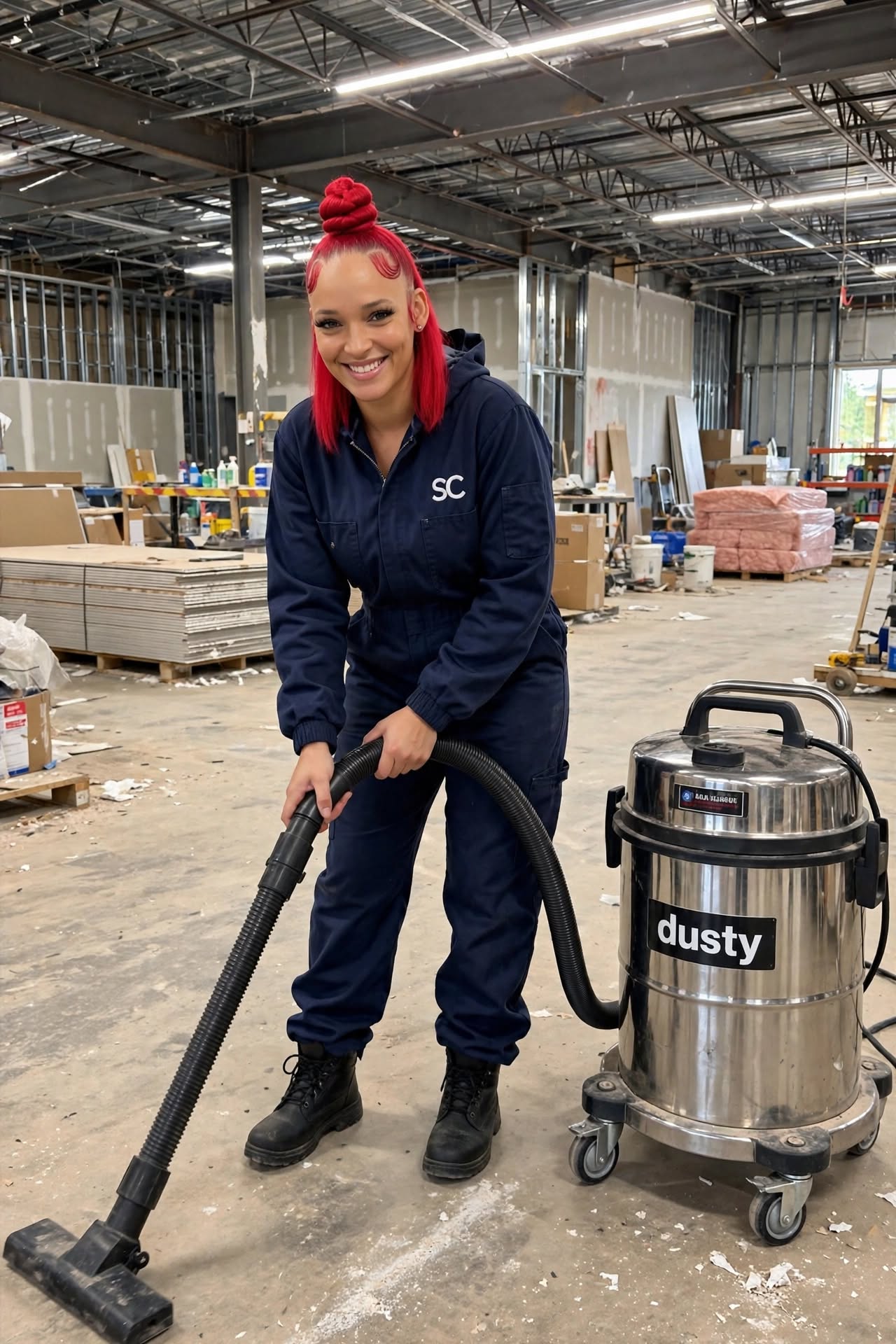
The transition from identifying the nature of construction dust to the actual physical labor begins with Phase 1. This initial step is known as the Rough Clean. It takes place after the framing, electrical, and plumbing are set, but before the final aesthetic touches are completed. The priority here is the removal of large scale waste that makes a site feel like a construction zone rather than a home.
This phase involves hauling out bulky debris such as drywall remnants, wood scraps, and heavy cardboard packaging. It is essential to remove all protective plastic films and tapes at this stage. Pay particular attention to stickers on new windows and appliances; if left too long, the Iowa sun can cause the adhesive to bond permanently to the surface, a process known as baking on. Removing these labels early saves hours of difficult scraping later and protects the integrity of your new glass and stainless steel.
Once the large items are cleared, a preliminary sweep of all rooms is necessary. This prevents heavy grit from being tracked across new floors or ground into fresh finishes during the remainder of the project. For homeowners managing a large renovation, our residential cleaning in Cedar Rapids experts can step in during this phase to handle the heavy hauling and initial debris removal. Clearing the bulk waste at the start of the post construction cleaning process ensures a safe, organized environment for the detailed work that follows.
Phase 2: The Deep Clean: Battling the Fine Dust
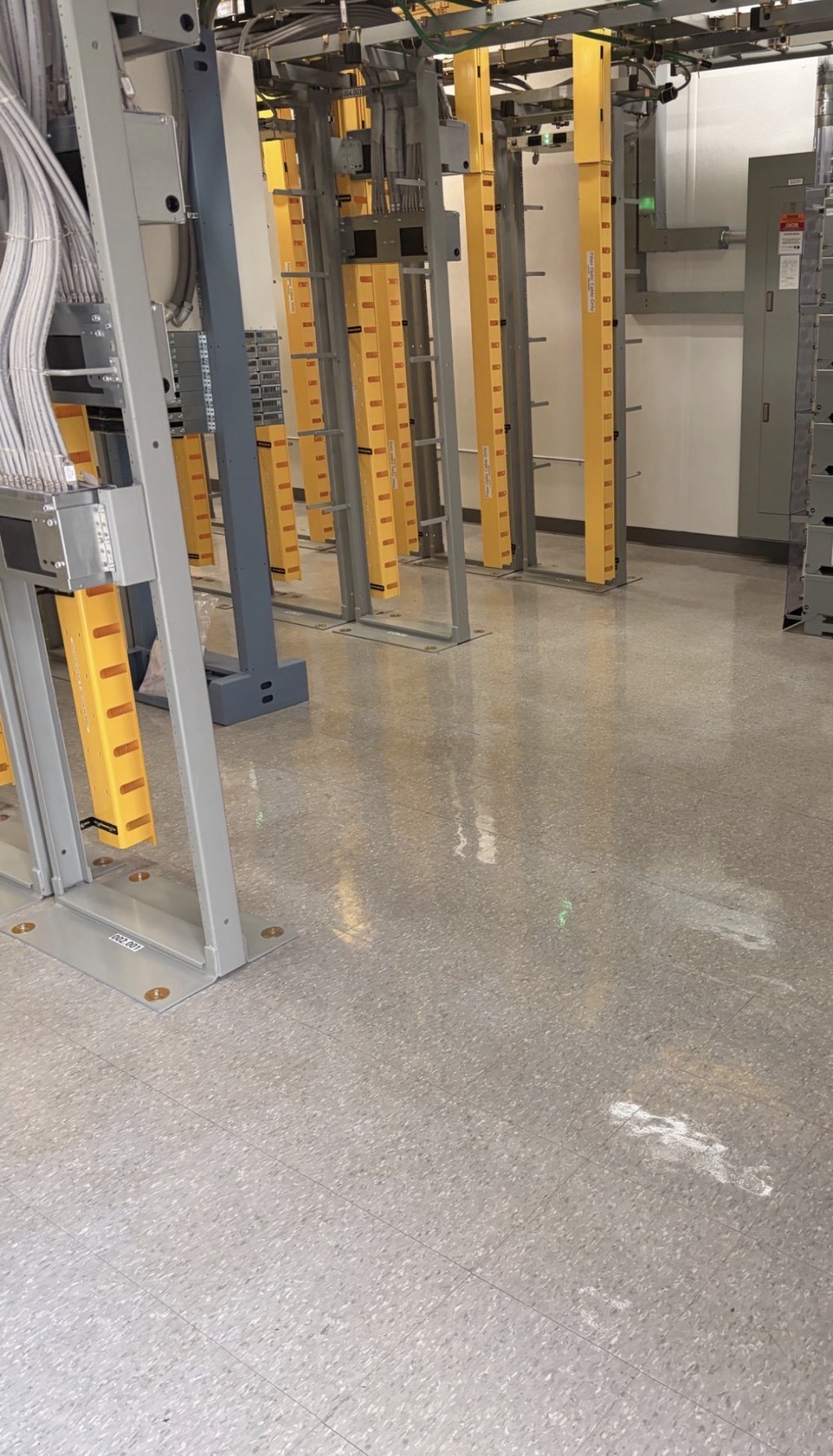
Once the heavy debris and protective coverings are cleared, the site transitions from a cluttered construction zone to the recognizable skeleton of a home. This second stage, the Deep Clean, is where the most significant labor occurs and where the true transformation begins. To ensure efficiency, our teams utilize a strict top down methodology. Gravity dictates that airborne dust will eventually settle on the lowest available surface. If you mop the floors before wiping the ceiling fan blades or crown molding, you will inevitably find a fresh layer of grit on your polished tile within hours.
Every item on a professional residential post-construction cleaning checklist begins at the highest point of the room. This includes vacuuming the tops of door frames, ceiling fans, and recessed lighting fixtures. Walls require particular attention; while they may look clean from a distance, they often harbor a static charge that holds fine drywall dust against the paint. Wiping them down with a microfiber mop or a specialized vacuum attachment is an essential step before moving to eye level surfaces.
Cabinetry and built-ins present a unique challenge during this phase. It is not enough to simply polish the exterior wood or laminate. Fine particulates find their way through small gaps in drawer slides and hinges, coating the interior shelves where your dishes, cookware, and linens will eventually reside. Each drawer should be removed, the tracks vacuumed out, and the interior boxes wiped with a damp cloth to ensure no silica remains. This level of detail is a hallmark of our residential cleaning in Cedar Rapids, where we understand that a surface isn't clean until the hidden corners are addressed.
When you reach the lower levels of the room, baseboards and floor trim must be detailed using vacuums equipped with HEPA filters. Standard household vacuums often lack the filtration necessary to trap microscopic construction dust, frequently blowing it back into the air through the exhaust. Finally, floors require multiple passes. The first pass removes the remaining visible grit, while subsequent damp mopping cycles lift the hazy residue that construction dust often leaves behind. This repetitive process is the only way to achieve a truly grit free finish. If you find the volume of dust overwhelming for standard equipment, you can contact our team to bring in industrial grade filtration and extraction tools.
Phase 3: The Touch Up and Final Polish
Allowing a period of forty-eight to seventy-two hours between the deep clean and the final touch up is a strategic necessity. During this time, the micro-particles that were disturbed during Phase 2 finally settle out of the air. This final stage is the true white glove phase. It transforms a sanitized structure into a pristine, livable home.
The focus shifts here to high-touch points and reflective surfaces. Every door knob, cabinet handle, and hinge is wiped down to remove oily fingerprints or latent dust. For Cedar Rapids homeowners who have invested in high-end finishes, this is when we polish stainless steel appliances, glass shower doors, and mirrors to a streak-free shine. We also perform a final damp mop of all hard flooring using a neutral cleaner to ensure no footprints or drying marks remain.
This phase also addresses the small details that often get overlooked, such as the tops of interior doors and the hidden edges of light switches. By the time this polish is complete, the air is clear and the surfaces are ready for furniture. If you find that the timeline for your move-in is tight, you can contact our team to schedule these phases in quick succession. Our residential cleaning in Cedar Rapids ensures that the final result of your post construction cleaning feels like a sanctuary rather than a lingering construction project.
Post Renovation Cleaning Checklist by Room
To move from a theoretical understanding of dust to an actionable plan, you need a room by room breakdown. This list serves as a baseline for a high standard finish, whether the project is a new master suite or you are reviewing a commercial post construction cleaning checklist for a Cedar Rapids office renovation. Professional standards require looking beyond the visible surfaces to find the grit hidden in mechanical tracks and recessed areas.
### Kitchen and Dining Areas - Inside Cabinetry and Drawers: Remove all drawers to vacuum the tracks and the space behind the drawer box. Wipe down all interior shelves. - Appliances: Carefully pull out the refrigerator and range to clean the floor and wall behind them. Clean the interior of the dishwasher, oven, and microwave. - Ventilation: Degrease and dust the range hood and its filters. - Detailed Surfaces: Scrub the toe kicks, polish the sink and faucet, and wipe down the tops of cabinets where dust accumulates undisturbed.
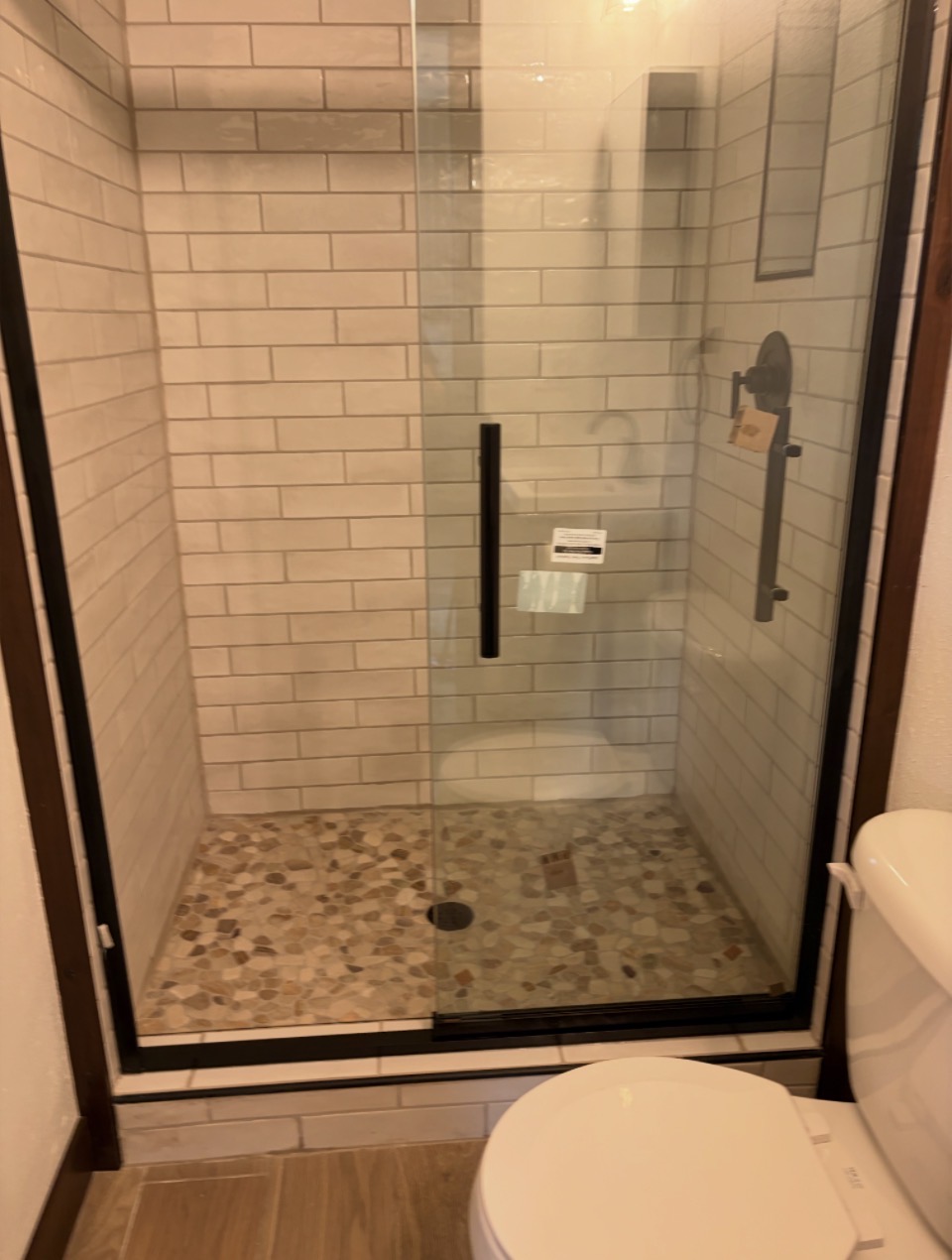
### Bathrooms - Fixtures: Polish all chrome, brass, or matte black fixtures to remove water spots and construction film. - Grout and Tile: Scrub tile surfaces to remove grout haze. Pay specific attention to the corners of the shower and the base of the toilet. - Storage: Clean inside medicine cabinets, under vanity sinks, and along the tracks of sliding glass shower doors.
### Bedrooms and Living Spaces (or Private Offices) - Closets: Vacuum and wipe down closet tracks, shelving, and hanging rods. - Windows: Clean the sills, frames, and tracks. Ensure the glass is free of adhesive residue or paint flecks. - Wall Details: Wipe down baseboards, crown molding, and the tops of light switches.
One of the most critical, yet frequently overlooked steps in any post construction cleaning project is the HVAC system. Even if the furnace was off during the work, dust travels through the returns. You must replace all air filters and vacuum out the register vents. If you find the volume of dust in your vents concerning, you can contact our team to discuss how our comprehensive range of services addresses indoor air quality after a build.
DIY vs Professional: When to Hire a Cedar Rapids Cleaning Crew
Deciding between a DIY approach and hiring a specialized crew often hinges on technical capacity rather than just available time. Standard household equipment frequently fails to meet the rigorous demands of a post construction cleaning project. While consumer-grade vacuums might clear visible sawdust, they lack the specialized HEPA filtration required to trap microscopic silica and drywall dust. Professional crews utilize industrial vacuums designed to capture 99.97% of particulates, ensuring that fine grit is removed from the building rather than being exhausted back into your living space through a standard filter.
Professional cleaners also utilize high-grade degreasers and specific pH-neutralizers to remove adhesive residues and grout haze that household soaps cannot touch. In the local market, cost transparency helps homeowners make informed decisions; professional services in the area typically range from $0.10 to $0.17 per square foot. This investment covers the specialized knowledge and heavy-duty equipment necessary to protect your new finishes from scratches and chemical damage.
Stay Clean Cleaning Service LLC offers a comprehensive range of services designed to handle the specific environmental challenges of Iowa homes, from humidity-trapped dust to limestone grit. As a local, women-owned business, we focus on the long-term health of your indoor environment. You can contact our team to transition your renovation from a dusty construction site to a pristine sanctuary. Our residential cleaning in Cedar Rapids ensures that every square inch of your new investment is sanitized and ready for your family.
Renovating your home is an exciting milestone, but the lingering dust and debris can quickly overshadow the final results. While you can certainly tackle the deep cleaning yourself, achieving a truly showroom finish often requires specialized equipment and significant time. If the project feels overwhelming or if you want expert help to ensure every corner is safe and spotless, you can browse our professional Services to see how we might help. We are here to handle the scrubbing so you can simply enjoy your new space.